






Allergy Awareness Week 2026: Know Your Legal Rights
Carter & Carter Solicitors · No Win No Fee Allergy Claims · 0800 652 0586 · 249 five-star Google reviews
By Chris Carter, Managing Solicitor · Carter & Carter Solicitors · March 2026 · Allergy Claims
Quick Answer
Can you claim compensation after suffering an allergic reaction caused by a food business’s mistake?
Yes — and you do not need to have been hospitalised to have a valid claim. If a food business failed to provide accurate allergen information, served you food you told them you couldn’t eat, or caused a reaction through poor allergen management, the law may entitle you to compensation. Many successful claims involve reactions that were frightening and disruptive without being life-threatening. Allergy Awareness Week 2026 runs 20–26 April. It is as good a moment as any to understand the rights you already have.
One in three people in the UK is currently living with an allergy. Within a year, that figure is expected to rise to one in two. That is not a niche medical statistic — it is a description of almost everyone’s family.
Every April, Allergy UK runs Allergy Awareness Week to push that reality into the public conversation. This year it runs from 20 to 26 April 2026, under the theme I Wish I Knew — a campaign built on the idea that the right knowledge at the right time changes everything.
At Carter & Carter, we meet people every week who wished they had known something sooner. Not just about managing their allergy — but about what the law requires of the businesses that served them food, and what they were entitled to do about it when things went wrong. This post is about exactly that.
What is Allergy Awareness Week 2026 — and why should it matter to you legally?
Allergy Awareness Week is an annual campaign run by Allergy UK, the national charity dedicated to supporting the 21 million people in the UK who live with an allergic condition. The 2026 campaign centres on a message that resonates strongly in the work we do: that knowing the right things early on can fundamentally change the outcome.
The campaign is focused on allergy diagnosis and management. But there is a legal dimension to the I Wish I Knew message that rarely gets covered during awareness week. Most people who have suffered an allergic reaction after eating out, ordering a takeaway, or buying a labelled food product have no idea that a compensation claim might be open to them. And a significant number of those who do suspect they might have a claim talk themselves out of pursuing it.
This post is written for both groups.
What are food businesses legally required to do about allergens?
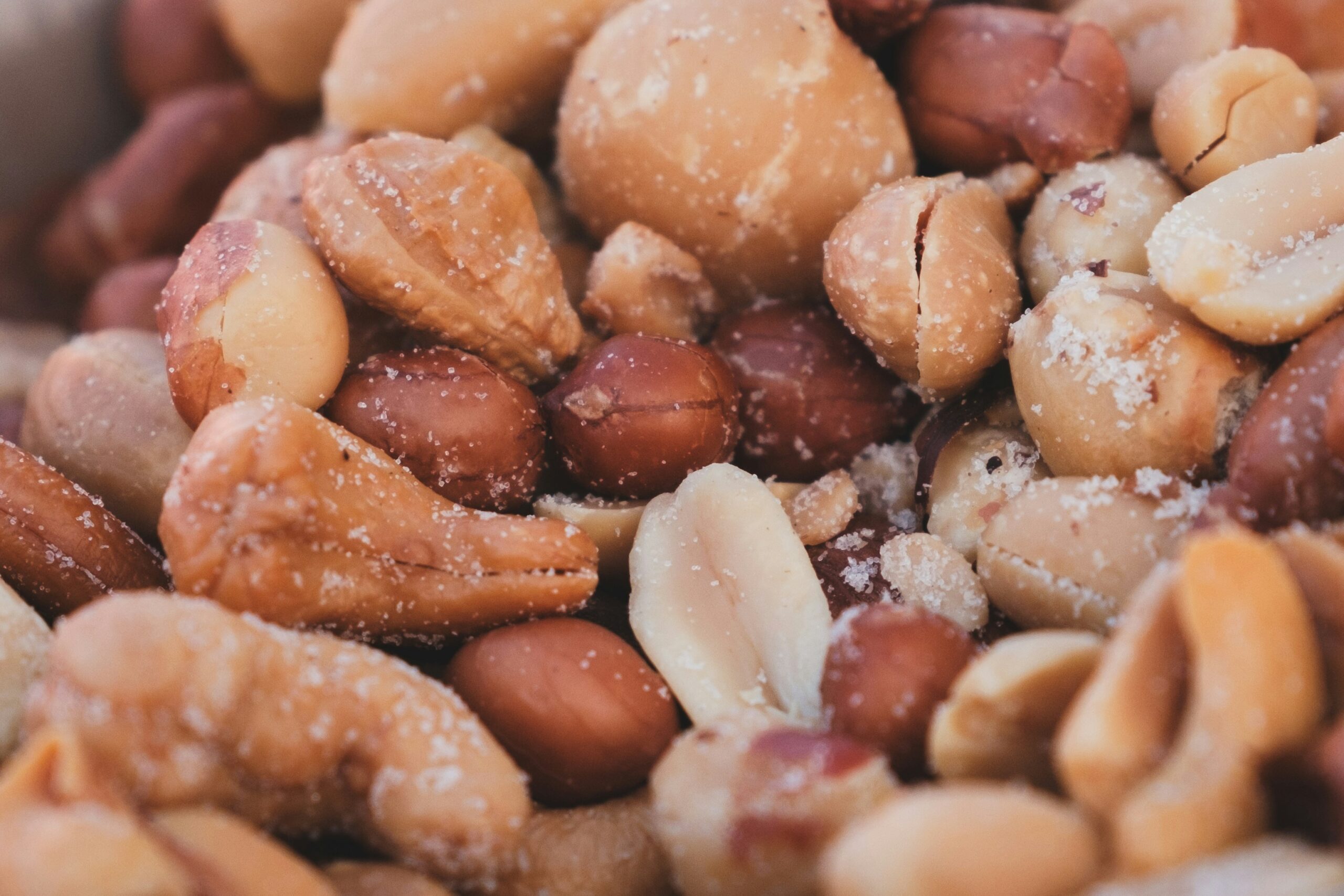
The legal duties on food businesses are not voluntary guidance — they are enforceable obligations under domestic law. The Food Information Regulations 2014 require that businesses providing food to the public declare the presence of any of the 14 major allergens recognised in UK law, including peanuts, tree nuts, milk, eggs, gluten, sesame, soya, crustaceans, fish, celery, mustard, lupin, molluscs, and sulphites.
For restaurants, cafés, and takeaways, the rules on loose or freshly prepared food require that allergen information is available to customers before they order — either in writing on a menu, or verbally with a written notice explaining how to find the information. “We’ll just tell you if you ask” is not sufficient on its own. Neither is a blanket “may contain” warning where a specific allergen is actually present in the dish.
For pre-packed food — anything sold in sealed packaging — the rules are tighter still. The labelling requirements introduced under Natasha’s Law in October 2021 extended full ingredient labelling to food prepared and packed on the same premises it is sold. A sandwich made in a coffee shop and wrapped for sale must carry a full ingredient list with allergens emphasised, not just a label with the product name.
Delivery apps and online orders carry the same legal obligations as in-person sales. If you ordered through an app and the allergen information on the listing was absent or wrong, the business that prepared the food — and potentially the platform itself — may carry liability.
What We’d Tell a Friend
When someone asks the business about their allergy before ordering and is told the dish is safe — and it isn’t — that single exchange is often the most important fact in the entire claim. Write it down as soon as you can afterwards: who you spoke to, what you asked, what they said. We cannot recover that conversation if it wasn’t captured. Everything else about the claim — the medical records, the receipts, the photos — can usually be pieced together later. The conversation at the counter cannot.
What happens legally when a food business gets allergens wrong?
When a business fails to meet its allergen obligations and a customer suffers an allergic reaction as a result, two things follow. The first is potential criminal enforcement — Trading Standards and council Environmental Health teams can prosecute businesses for breaches of food safety and food information law. The second is civil liability, which is where a compensation claim sits.
In a civil compensation claim, we establish that the business owed you a duty of care, that it breached that duty by failing to manage allergens properly, and that the breach caused your reaction and the harm that followed. That harm can include physical symptoms, any medical treatment required, time off work, travel costs, and the psychological impact of a frightening or distressing experience.
The businesses involved in these cases range from large national restaurant chains to small independent takeaways and local cafés. The size of the business does not affect your right to claim — it affects the speed and route of the claim, because larger businesses typically have insurers handling the defence while smaller businesses may not carry adequate cover.
“In nearly every allergy claim we handle, the food business knew what its legal obligations were. What failed was the system for actually following through on them — the training, the communication between kitchen and front of house, or the record-keeping. That is employer failure, not bad luck. And employer failure is exactly what compensation law is designed to address.”
Chris Carter, Managing Solicitor, Carter & Carter Solicitors
Does the severity of your reaction affect whether you can claim?
This is one of the most common misconceptions we encounter. Many people assume that unless they were rushed to hospital or used an EpiPen, their reaction is not serious enough to justify a claim. That is not how the law works.
Compensation for an allergic reaction is assessed individually based on the harm you actually experienced — physical symptoms, duration, medical treatment, any ongoing effects, the impact on your daily life, and any financial losses. A reaction that caused significant vomiting, hives, swelling, or breathing difficulty over several hours, requiring antihistamine treatment and days off work, can form the basis of a valid claim even without hospital admission.
Where reactions do result in anaphylaxis, hospitalisation, or ongoing psychological effects — including anxiety about eating out, which is an extremely common consequence — compensation values will reflect that. But the threshold for having a valid claim is much lower than most people expect.
The law that protects you
Food Information Regulations 2014 — Require all food businesses to provide accurate allergen information for all 14 major allergens. Applies to restaurants, cafés, takeaways, delivery orders, and pre-packed food alike.
Food Safety Act 1990, Section 14 — Makes it a criminal offence to sell food that does not meet purchasers’ requirements. Trading Standards can prosecute; individual criminal convictions run alongside civil compensation claims.
Natasha’s Law (October 2021) — Extended full ingredient and allergen labelling requirements to food prepared and packed on the same premises where it is sold. A major expansion of the protection available to allergy sufferers buying pre-packed food on the go.
Common law duty of care — Independent of the regulations above, food businesses owe their customers a duty of care in the preparation and serving of food. Breach of that duty causing harm is a civil wrong, actionable in the courts regardless of whether a criminal prosecution follows.
How do you know if you have an allergy compensation claim?
Did you tell them about your allergy — or was the information missing?
You warned staff before ordering, or allergen information was absent or wrong on the menu, packaging, or app listing.
Did you suffer a reaction you believe was caused by that allergen?
You ate the food and experienced symptoms — hives, swelling, vomiting, breathing difficulty, or anaphylaxis — consistent with the allergen present.
Did the reaction cause you real harm?
Physical symptoms, time off work, medical treatment, financial loss, or psychological impact such as anxiety about eating out afterwards.
Did it happen within the last three years?
The Limitation Act 1980 sets a three-year window from the date of the incident. If you are close to that deadline, contact us immediately.
Yes to all four? You may have a claim.
You don’t need to have reported it, hired a solicitor, or kept any documents. Call us and we’ll tell you honestly where you stand — at no cost and no obligation.
How long does an allergy compensation claim take, and what does it cost?
Straightforward allergy compensation claims typically resolve in two to six months. More complex cases — where the reaction was severe, where liability is disputed, or where there are ongoing health effects to quantify — can take longer. We will give you a realistic indication of timescale when we assess your case.
On cost: Carter & Carter handles allergy compensation claims on a No Win No Fee basis, which means you pay nothing if your claim does not succeed. If it does succeed, our fee comes from the compensation recovered — never from your pocket in advance. There is no financial risk in calling us to find out where you stand.
Our No Win No Fee Structure
If your claim succeeds
Our fee is 10% of the compensation recovered, when your claim is settled without court proceedings. This is deducted from the settlement — you pay nothing upfront and nothing out of pocket.
Most firms charge the maximum 25% regardless of how quickly or efficiently your claim resolves. We think that’s unfair. When a claim settles without needing court proceedings — meaning less work and less risk for us — we charge less. We pass the saving directly to you.
If your claim does not succeed
You pay nothing. No Win No Fee means exactly that. We take the financial risk so that you do not have to.
Why does this matter?
On a £3,000 settlement, the difference between 10% and 25% is £450 more in your pocket. On a larger claim the gap is even bigger. You should never pay more than necessary simply because your solicitor doesn’t distinguish between easy and hard work.
Related Guides
Suffered an allergic reaction? Call us today.
No Win No Fee · No obligation · Speak directly with a solicitor
About the Author
Chris Carter is the Managing Solicitor and founding partner of Carter & Carter Solicitors, established in Whaley Bridge, Derbyshire in 2007. Qualifying as a solicitor in 1993, Chris has spent his entire legal career in personal injury law — helping people harmed by allergic reactions and food safety failures claim the compensation they deserve. Every allergy claim at Carter & Carter is handled personally by Chris or his colleague David Healey, Senior Solicitor. The firm’s combined experience spans over fifty years of specialist personal injury practice.