









I’m Mostly Better After Tripping at Work. Is There Any Point in Claiming?
Established 2007 │ ★★★★★ 250 Five-Star Google Reviews │ No Win No Fee Since 2007 │ 0800 652 0586
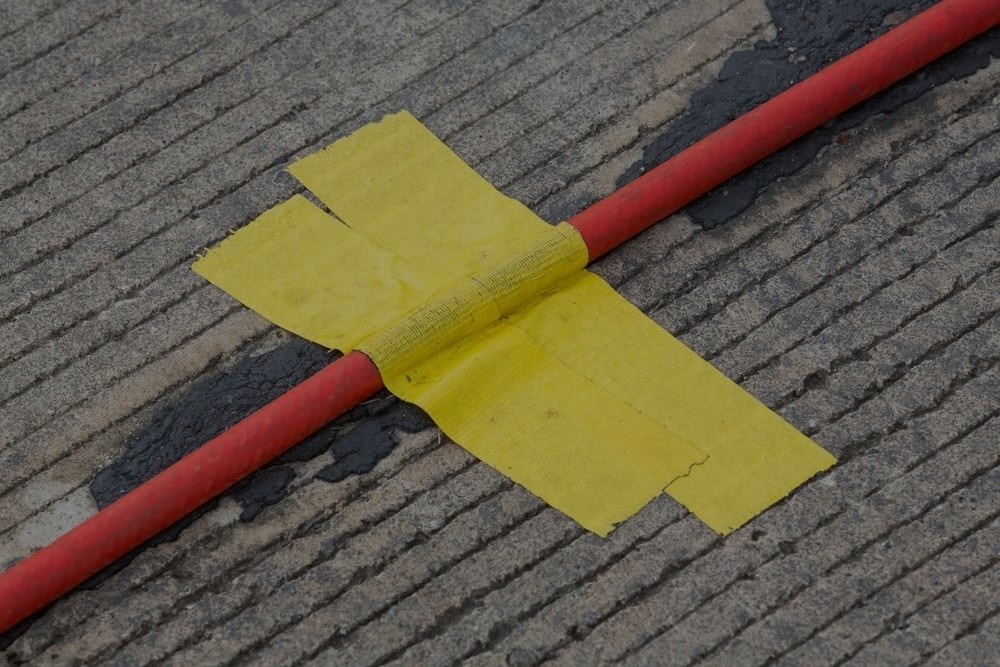
You tripped over a wire at work three weeks ago. Your ankle was swollen for a few days. You took some painkillers. You went back to work. And now you feel mostly fine.
So why would you claim?
That question stops more valid claims than any legal obstacle. Not the three-year time limit. Not the evidence. Not the process. The belief that the injury was not bad enough.
It is the wrong test. And here is why.
Compensation Is Not Reserved for Serious Injuries
The Judicial College Guidelines set compensation brackets for every level of injury. Not just fractures and surgery. Soft tissue injuries that resolve within weeks fall between £1,500 and £3,500. An ankle sprain that took you off your feet for a fortnight. A wrist strain that made driving painful for a month. A bruised knee that ached every time you climbed stairs.
These are not trivial amounts. And they exist because the law recognises that even a “minor” injury causes real disruption: pain, lost sleep, missed activities, time off work, reliance on painkillers, the frustration of not being able to do the things you normally do.
If your employer left a wire across a walkway in breach of Regulation 12(3) of the Workplace (Health, Safety and Welfare) Regulations 1992, and you were injured because of it, the severity of the injury does not determine whether you can claim. It determines how much.
The Test That Matters
The question is not “how bad was my injury?” The question is “did my employer breach their duty to keep the floor clear?” If they did, and you were hurt, you have a right to claim. The injury determines the value. The breach determines the right.
“Mostly Better” Is Not the Same as “Fully Recovered”
Most people who say they are mostly better are still experiencing something. A twinge when they walk downstairs. Stiffness first thing in the morning. An ankle that aches when the weather turns. A reluctance to walk on uneven ground that was not there before the trip.
These lingering effects matter. They are part of the compensation assessment. A medical report captures them properly, including symptoms you might dismiss as “not worth mentioning.” GP notes from the weeks after the accident document the trajectory of recovery. Together, they build a picture that is almost always more complete than “I’m fine now.”
And if the injury does fully resolve with no lasting effects, the claim still covers the period when it did affect you. The days off work. The physio appointments. The prescription charges. The lifts to the GP because you could not drive. The things you could not do for your family while you were recovering.
The Financial Losses Do Not Disappear When the Pain Does
General damages compensate for pain and suffering. Special damages compensate for the money the injury cost you. Even if the pain has gone, the financial impact has not reversed itself.
General Damages
Pain, suffering, and loss of amenity during the recovery period. Assessed by the Judicial College Guidelines based on injury type and duration.
Special Damages
Lost earnings, prescription costs, physiotherapy, travel to appointments, care provided by family members. These are claimed separately and require receipts.
A week off work is a week’s wages lost. Three physio sessions at £45 each is £135 out of pocket. A fortnight of your partner driving you to appointments is a care claim. These amounts add up. And they belong to you regardless of whether the ankle feels fine today.
Your Employer’s Insurer Pays. Not Your Employer.
The other reason people hesitate is the relationship with their employer. “It was just a trip. I don’t want to cause a fuss.” But the compensation does not come from your employer’s pocket. It comes from their liability insurer. This insurance is compulsory under the Employers’ Liability (Compulsory Insurance) Act 1969. Your employer pays a premium regardless of whether claims are made. The insurer handles the claim. Your employer’s involvement is minimal.
The claim is a legal process between your solicitor and the insurance company. It is not a workplace confrontation.
“The people who call us about a wire trip almost always start with the same sentence: ‘I’m not sure this is worth bothering with.’ It usually is.”
— David Healey, Senior Solicitor
What a 15-Minute Phone Call Will Tell You
You do not need to commit to anything to find out where you stand. A 15-minute call with David Healey or Chris Carter will give you an honest answer. If the injury is too minor for a viable claim, they will say so. If there is a claim worth pursuing, they will explain the next steps, the likely timeline, and the fee (10% of compensation without court proceedings, published at why-work-with-us).
No Win No Fee means you pay nothing if the claim does not succeed. The call costs nothing either way.
If you tripped over a loose wire at work and your employer failed to keep the floor clear, read our full guide on tripped over a loose wire at work claims for the complete picture: your rights under Regulation 12(3), the evidence you need, and what compensation to expect.
“Mostly better” does not mean “not worth claiming.”
Find out where you stand. 15 minutes. No obligation.
Read more real client experiences at our client testimonial hub.
Your Claim, Our Priority
Meet Your Solicitor
David Healey
Senior Solicitor, Qualified 2005
The calls David takes about wire trip claims almost always start the same way. The person is apologetic. They think the injury was too minor to bother with. What they have not considered is the week off work, the physio bill, the disruption to daily life, and the employer’s breach of a specific regulation that exists to prevent exactly what happened. David knows how to assess whether a “minor” trip claim has real value. That is where 21 years of personal injury practice makes the difference. Direct access from day one. No handoffs. No case handlers.
21 years’ experience. Four claim types. One solicitor handling your claim personally.
“Your claim handled personally, from first call to final settlement.”
Last updated: April 2026. Related: Tripped over a loose wire at work | Slips and trips at work claims