





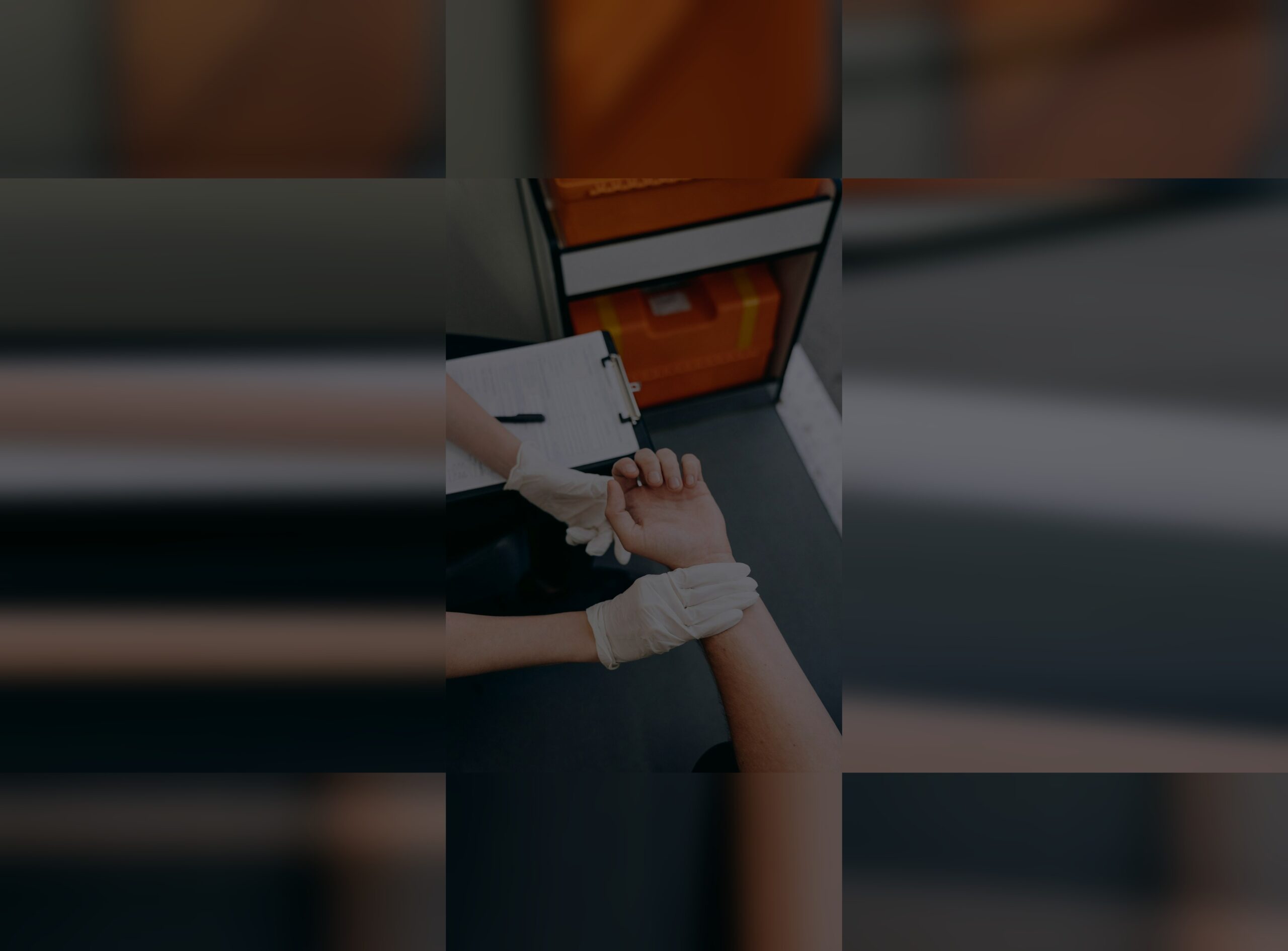

Nut Allergy Symptoms: From First Warning Signs to Knowing When It’s Serious
What are nut allergy symptoms?
Nut allergy symptoms typically appear within 5-30 minutes of eating peanuts or tree nuts and range from mild (tingling lips, itchy mouth, hives) to life-threatening (difficulty breathing, throat swelling, loss of consciousness). Around 1 in 50 UK children now has a nut allergy, making it one of the most common and serious food allergies.For medical advice about severe symptoms and anaphylaxis, see NHS guidance on food allergies.
Specialist allergy solicitors – We handle nut allergy claims across England & Wales. If your reaction was caused by a business’s negligence, we can help you claim compensation on a No Win No Fee basis.
What Does a Nut Allergy Reaction Feel Like?
Not all nut allergy reactions are the same. Understanding the difference between mild, moderate and severe symptoms helps you recognise what’s happening.
Mild Symptoms
Monitor Carefully
- Tingling or itching in the mouth and lips
- Itchy skin or a few hives
- Mild swelling of the lips or face
- Runny or blocked nose
- Stomach discomfort or mild nausea
Moderate Symptoms
Seek Medical Advice
- Widespread hives spreading across the body
- Noticeable facial swelling, particularly around eyes
- Abdominal pain and cramping
- Repeated vomiting or diarrhoea
- Increasing anxiety or sense that “something’s wrong”
!
Severe Symptoms / Anaphylaxis
⚠️ SEVERE SYMPTOMS – These require immediate medical attention
- Difficulty breathing – wheezing, gasping, chest tightness
- Swollen tongue or throat – difficulty swallowing, voice changes
- Feeling faint or dizzy – blood pressure dropping
- Confusion – from lack of oxygen
- Pale, clammy skin
- Loss of consciousness
For medical guidance on anaphylaxis, see NHS anaphylaxis advice.
Even mild symptoms deserve attention. Today’s mild reaction doesn’t guarantee tomorrow’s will be mild too.
Nut Allergy Reaction Timeline: What to Expect
Knowing when symptoms typically appear helps you connect a reaction to what you ate—crucial information for both medical treatment and understanding what went wrong.
mins
Immediate Reactions (Most Common)
Most nut allergy reactions begin within minutes. You might notice tingling lips before you’ve even finished eating. This rapid onset is one reason nut allergies are so dangerous—there’s often little time between first symptoms and a serious reaction.
2 hrs
Delayed Reactions
Some reactions take longer to develop, particularly if the allergen was hidden in a complex dish or you ate only a small amount. Never assume you’re safe just because 30 minutes have passed.
hrs
Biphasic Reactions: The Second Wave
Around 1 in 5 people who experience anaphylaxis have a second reaction 4-12 hours later—even without eating more nuts. This is why hospitals often keep patients under observation after a severe reaction. Don’t discharge yourself early.
Why Does Your Body React to Nuts?
A nut allergy is your immune system’s mistaken response to proteins found in peanuts or tree nuts. Your body identifies these harmless food proteins as dangerous invaders and launches a defensive attack—releasing chemicals like histamine that cause allergy symptoms.
This isn’t about being sensitive or overreacting. It’s a genuine medical condition where your immune system has learned the wrong response. The proteins in nuts are particularly stable, which is why cooking doesn’t make them safe (unlike some other allergens).
Nut allergy is one of the 14 allergens that UK food businesses must declare by law. It affects approximately:
1 in 50
UK children have a nut allergy
1 in 200
UK adults are affected
2x
increase in the last 20 years
20%
only outgrow their allergy
Are Peanuts and Tree Nuts the Same Thing?
No—and this confusion causes real harm.
🥜 Peanuts
Peanuts are legumes, botanically related to lentils, chickpeas and soybeans. They grow underground.
🌰 Tree Nuts
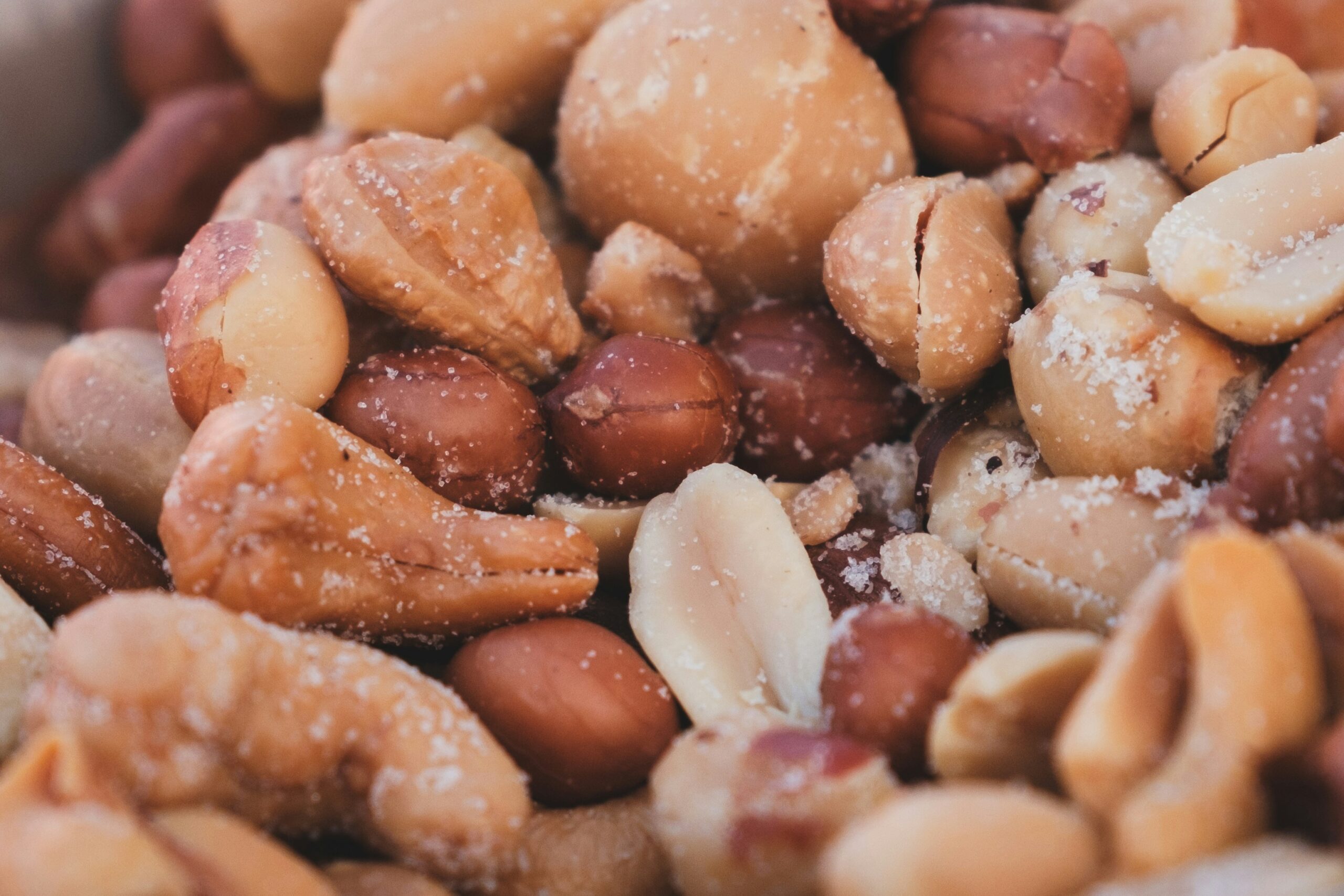
Tree nuts are botanical nuts that grow on trees: almonds, walnuts, cashews, pistachios, hazelnuts, Brazil nuts, macadamias and pecans.
50-70% of people are allergic to one but NOT the other
You might react severely to peanuts but eat almonds safely. Or be allergic to cashews but fine with peanut butter. This is why proper allergy testing matters—and why UK food law requires businesses to declare peanuts and tree nuts separately.
Why This Causes Problems
When someone says “nut allergy,” many people—including restaurant staff—assume all nuts are the same. A restaurant might remove walnuts from a dish but leave peanut satay sauce on the plate, thinking “it’s not a nut.”
This misunderstanding has caused serious allergic reactions. If you have a nut allergy, always specify exactly which nuts you’re allergic to, and ask about both peanuts AND tree nuts separately.
If You’re Allergic to One Nut, Are You Allergic to Others?
Not necessarily—but certain nuts travel in pairs.
Within tree nuts, some share similar proteins and often trigger reactions together:
⚠️ High Cross-Reactivity (70%+ react to both)
Cashews + Pistachios
Same botanical family (Anacardiaceae)
Walnuts + Pecans
Same botanical family (Juglandaceae)
✓ Lower Cross-Reactivity
Almonds
Different family (Rosaceae), often tolerated when other tree nuts aren’t
Hazelnuts
Sometimes isolated, sometimes linked with birch pollen allergy
ℹ️ Not Actually Tree Nuts
Coconut
Technically a drupe (stone fruit), rarely cross-reacts with tree nuts
Pine nuts
Seeds, not true nuts, but can still cause allergic reactions
This is why allergists often test for multiple nuts even if you’ve only reacted to one. Understanding your specific pattern helps you know what’s safe—and what to avoid.
Foods That Contain Nuts When You Wouldn’t Expect Them
Some foods obviously contain nuts. Others hide them in ways that catch people out—sometimes with serious consequences.
🥜 Peanut Hiding Places
- Satay sauce – peanut-based (Thai, Malaysian, Indonesian cuisine)
- Groundnut oil – another name for peanut oil (check Chinese takeaways)
- African and West Indian stews – often use peanut paste
- Some chilli sauces – may contain peanuts for thickening
- Arachis hypogaea – the scientific name for peanut (check cosmetics too)
🌰 Tree Nut Hiding Places
- Pesto – traditionally contains pine nuts (some recipes use walnuts)
- Marzipan and frangipane – almond-based
- Praline – hazelnuts and/or almonds
- Nougat – almonds, pistachios, hazelnuts
- Korma and creamy curries – often contain ground almonds or cashews
- Baklava and Middle Eastern pastries – pistachios, walnuts
- Breakfast cereals – granola and muesli frequently contain nuts
- Vegan products – nut milks, nut-based cheeses
- Mortadella – Italian sausage traditionally contains pistachios
⚠️ Cross-Contamination Risks
Bakeries (shared equipment) • Ice cream parlours (shared scoops) • Chocolate shops • Buffets and salad bars • “May contain” warnings on pre-packaged foods
If a food business served you nuts without proper warning—whether through mislabelling, cross-contamination, or ignoring your allergy request—they may have breached their legal duty under UK food safety law.
If you’ve recently had your first reaction to nuts as an adult, you’re not imagining things—and you’re not alone. Adult-onset allergies can be just as severe as childhood allergies, sometimes more so because people don’t expect them.
See your GP for proper allergy testing. Don’t assume a first mild reaction means future reactions will be mild too.
What the Law Says About Nut Allergies
UK food law is clear: businesses must tell you if their food contains nuts.
Under the Food Information Regulations 2014, any food business—restaurants, cafés, takeaways, caterers, supermarkets—must declare the presence of all 14 major allergens, including both peanuts and tree nuts. This applies whether you’re ordering from a menu, buying pre-packaged food, or eating at a buffet.
What businesses must do:
- Provide accurate allergen information before you order
- Train staff to answer allergy questions correctly
- Have systems to prevent cross-contamination
- Update information when recipes change
- Take allergy requests seriously—not dismiss them
Prepacked for Direct Sale (PPDS) rules require that foods prepared on-site and packaged before a customer selects them—like sandwiches, salads, and bakery items—must have a full ingredients list with allergens emphasised. This closed a dangerous loophole that had allowed allergens to go undeclared.
When a business fails to meet these requirements and you suffer an allergic reaction as a result, they may be liable for the harm caused.
Had a Reaction Because a Business Got It Wrong?
If you’ve suffered an allergic reaction after eating food prepared by someone else, you might be wondering whether you have any options.
The reality is: when businesses fail to protect customers with known allergies, they can be held responsible. This isn’t about blame—it’s about accountability.
Common situations where businesses may be liable:
- A restaurant assured you a dish was nut-free, but it wasn’t
- Allergen information on a menu or label was wrong or missing
- Staff dismissed your allergy warning or didn’t pass it to the kitchen
- Cross-contamination occurred despite your clear request
- A “may contain” warning was missing from pre-packaged food
- Ingredients changed but allergen information wasn’t updated
What you might be entitled to:
People who suffer allergic reactions due to business negligence can typically claim for:
- Pain and suffering from the reaction itself
- Medical expenses (A&E visits, prescriptions, follow-up care)
- Lost earnings if you needed time off work
- Travel costs for medical appointments
- Psychological impact (anxiety about eating out, loss of confidence)
Typical compensation for nut allergy reactions:
£1,500 – £3,500
for moderate reactions (severe cases can be significantly higher)
You don’t need to have been hospitalised to have a valid claim. Even reactions treated at home can qualify if a business’s negligence caused them.
Not sure if you have a claim?
If a restaurant, café, takeaway, or food manufacturer failed to warn you about nuts in their food—and you suffered a reaction as a result—we can help you understand your options.
At Carter & Carter, we specialise in food allergy compensation claims. We’ve helped dozens of people get compensation after nut allergy reactions caused by business negligence.
There’s no obligation to proceed, and the initial conversation is free. We’ll tell you honestly whether we think you have a claim worth pursuing.
Ready to find out if you have a claim?
Or call 0800 652 0586 to speak with David or Chris directly
Frequently Asked Questions About Nut Allergies
What are the first signs of a nut allergy reaction?
How quickly do nut allergy symptoms appear?
Are peanuts the same as tree nuts?
Can you be allergic to peanuts but not tree nuts?
Can you suddenly develop a nut allergy as an adult?
What foods contain hidden nuts?
Where can I get medical advice about severe allergic reactions?
Can you outgrow a nut allergy?
Specialist Allergy Solicitors Since 2007
Why Choose Carter & Carter for Your Nut Allergy Claim?
We don’t just handle allergy claims—we’ve built the most comprehensive nut allergy legal resource in the UK. 29 specialist guides. 247 five-star reviews. A 99% settlement rate without court. When a restaurant or business causes your allergic reaction, we know exactly how to prove it and win.
Your Complete Nut Allergy Claims Resource
29 Specialist Guides — All In One Place
Everything you need to understand your rights and make a successful claim
📋 Understand Your Claim
Nut Allergy Claims Hub
Start here — your complete guide to claiming compensation
Compensation Amounts
Typical payouts from £1,500 to £20,000+
Claims Process & Timeline
What happens and how long it takes
Time Limits
3-year limit and exceptions you need to know
⚖️ Know Your Rights
Legal Framework
The laws that protect you
Natasha’s Law
Business allergen obligations since 2021
Can I Sue?
When you have a valid claim
📁 Build Your Case
Evidence Guide
What you need and how to gather it
Restaurant Denies You Told Them?
How we prove your case anyway
⭐ Special Circumstances
Child Claims
Claims for children’s reactions
Rejected Claims
Been turned down? We can help
Mild Reaction (No Hospital)
You can still claim
PTSD & Anxiety
Psychological impact claims
Reaction Years Ago?
It might not be too late
🍽️ Where Did Your Reaction Happen?
Specialist guides for every venue type — find your exact situation
📰 Latest Insights
Natasha’s Law: 4 Years On
How compliance has changed and what it means for allergy claims
Owen’s Law: What’s Changing?
New legislation and how it strengthens allergy protection
Restaurant Allergen Mistakes
Common errors that lead to allergic reactions and claims
The Emotional Cost of Allergies
PTSD, anxiety and psychological impact after reactions
Need to talk to someone?
If you have questions about a nut allergy reaction caused by a business’s negligence, we’re here to help. Call us for a free, no-obligation conversation. We’ll give you an honest assessment of whether you might have a claim.
Our lines are open Monday to Friday, 9am to 5pm.
Need Legal Advice on a Nut Allergy Claim?
David Healey
Senior Solicitor | Qualified 2005
David specialises in food allergy claims and has successfully secured compensation for dozens of clients after allergic reactions caused by restaurant, café, or manufacturer negligence. He understands the medical evidence needed and how to prove these claims even when businesses deny responsibility.
With nearly 20 years’ experience, David takes a straightforward approach: he’ll tell you honestly whether your claim is worth pursuing, explain the process clearly, and handle everything so you can focus on recovery.
Direct Line: 01663 761892
Email: dhealey@candcsolicitors.co.uk
“” Great company, helped me with my allergy claim after eating food that contained nuts landing me in hospital. Was honest and upfront from beginning to end. Dave really took my claim seriously And ended up with compensation at the high end for this type of claim. Fantastic service, highly recommend!”
Ian Baldwin ⭐⭐⭐⭐⭐